CariPorts II Technical Workshop Underway in Kingston
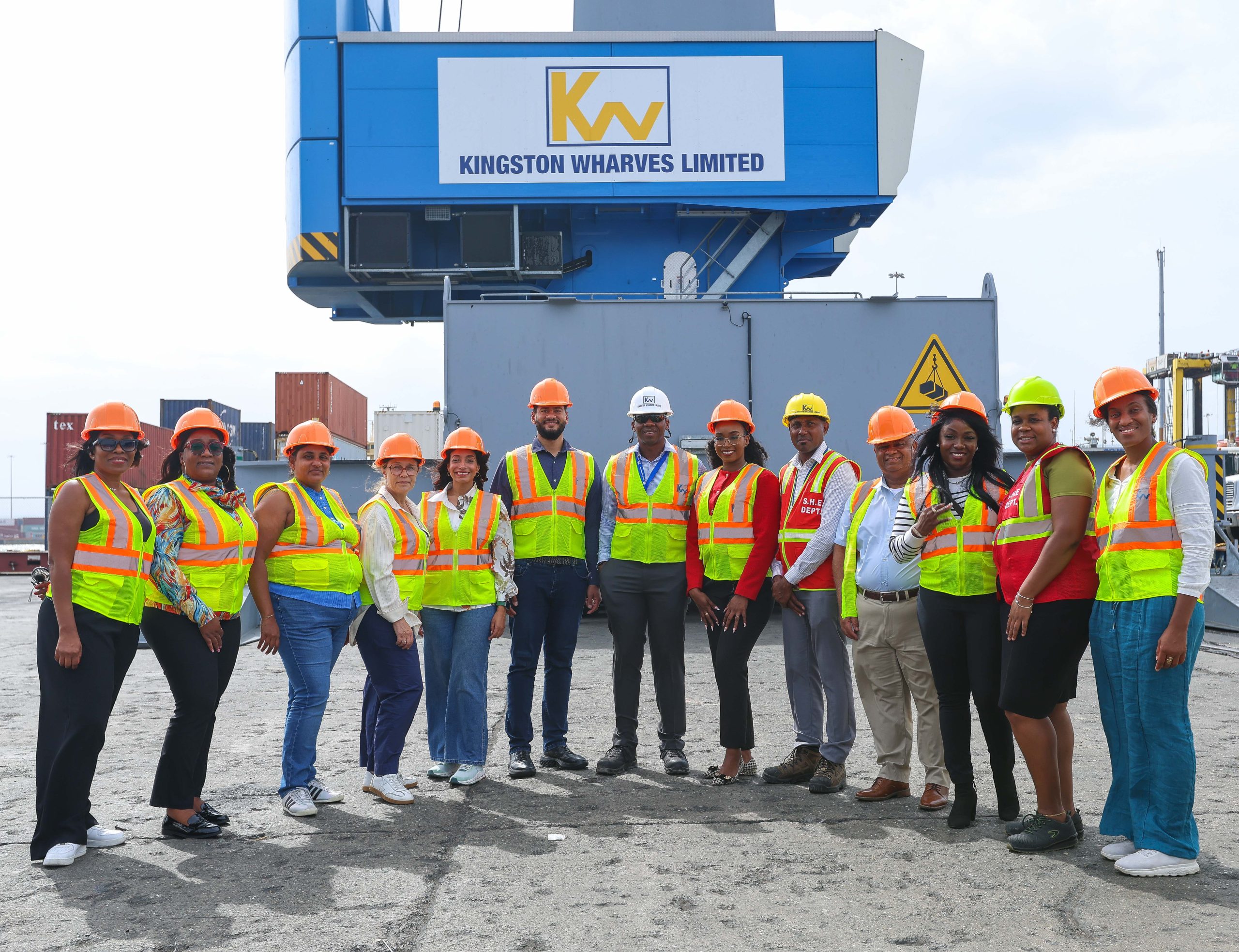
The technical workshops are aimed at helping ports adapt to the effects of climate change, promote the reduction of greenhouse gas emissions while enhancing energy transition. The workshop is also discussing the CariPorts II labelling project, which relates to the status of ports’ compliance with global environmental benchmarks.
Speaking at the conference opening, CEO of Kingston Wharves Limited Mark Williams noted that like many ports in the Caribbean, Kingston was directly confronted with the consequences of climate change and the challenges of energy transition.
“The extreme weather events that our region has experienced, is experiencing, and will continue to experience, with increasing intensity, remind us every year of the need to better anticipate risks, strengthen our resilience, and share solutions that work,” Mr. Williams stated.
Kingston Wharves had signed an agreement to become a pioneer port under the CariPorts II initiative, officially underscoring its commitment to collaborate on environmental capacity-building, standards and compliance.
Mr. Williams said that as a pilot port committed to the CariPorts II initiative, KWL’s approach to the programme was one of humility, driven by the conviction that regional cooperation was one of the best ways to move toward environmental sustainability.
“The future environmental label represents an opportunity for us to establish a common framework, based on scientific evidence, harmonized methods, and lessons learned, tailored to the realities of Caribbean ports,” Mr. Williams noted.
Andre Rochester, Council Member, Caribbean Shipping Association, said the workshop spoke directly to the challenges being faced by the region, and demonstrated the willingness of Caribbean countries to collaborate on solutions.
“Caribbean ports are the backbone of our economies, yet they remain among the most exposed to the effects of climate change. Reducing greenhouse gas emissions, improving energy efficiency, anticipating climate risks, and building resilience are no longer isolated concerns. They share priorities across the entire Caribbean port community,” Mr. Rochester stated.
Mr. Rochester added that the workshops demonstrated that Caribbean ports were choosing to work together to share experiences, knowledge and best practice, and to build solutions suited to the realities of the region and to each port.
“Our hope is simple: that this work strengthens the capacity of each port represented here at the workshop, and that it builds something even more valuable: a lasting regional culture of environmental cooperation,” he said, adding, “It is in sharing our experiences, setting our own benchmarks and moving forward together that we unlock the full value of this initiative, led by Caribbean ports for Caribbean ports.”
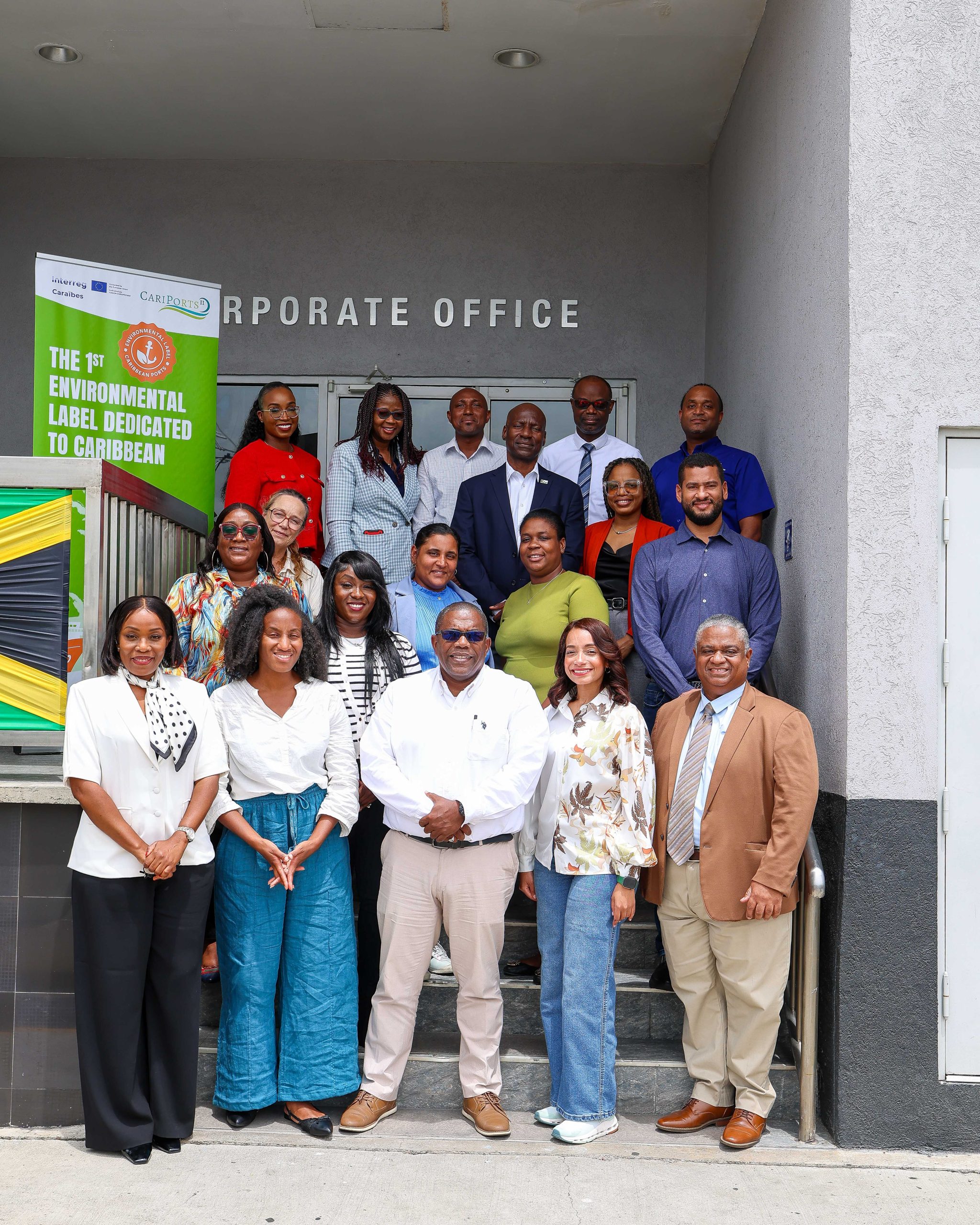
The workshops include participants from six Caribbean countries: Jamaica, Dominican Republic, Dominica, Antigua and Barbuda, Barbados, and Guadeloupe, along with the Port of Miami. CariPorts II follows CariPorts I (2021–2024), which was aimed at initiating measures to strengthen cooperation among Caribbean ports and developing synergies around environmental management and sustainable port practices.
Related Posts